
Last Updated on 01/06/2026 by Liza Brits
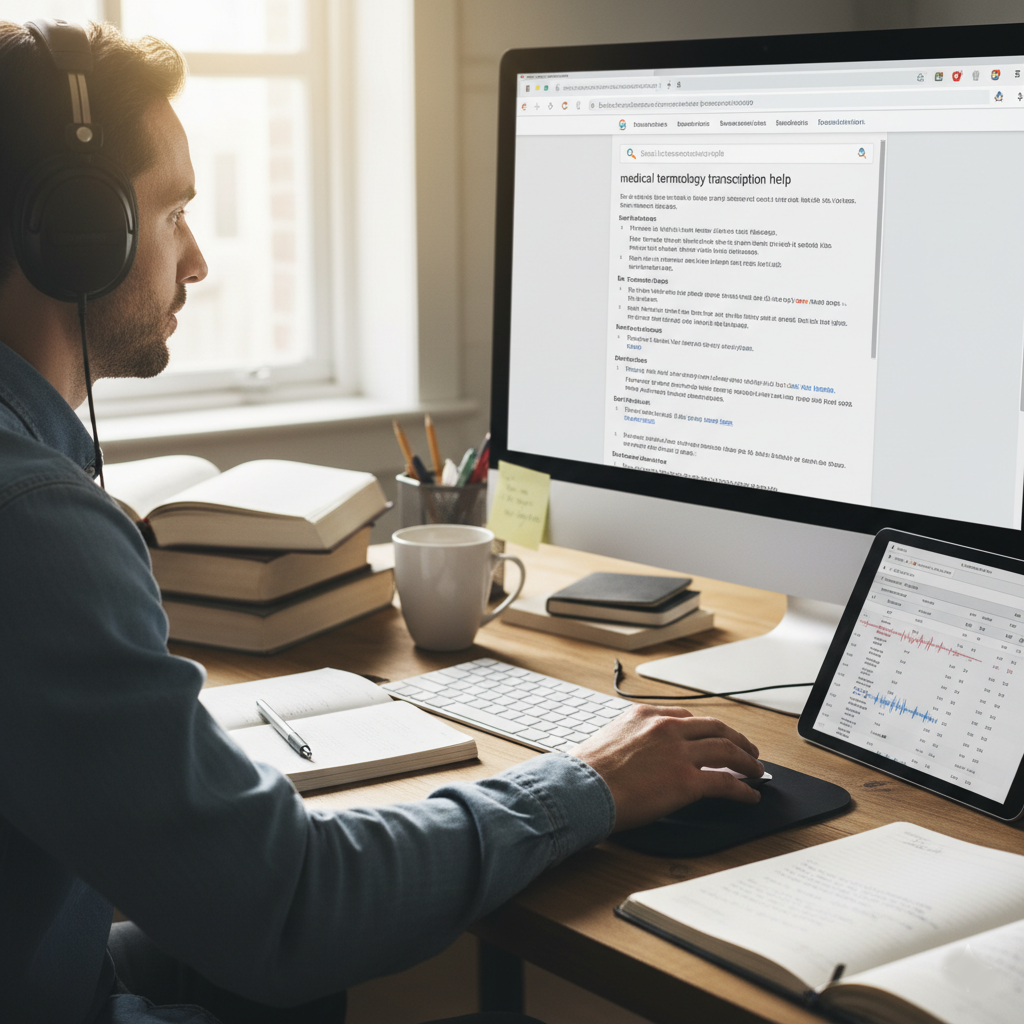
Why Precision is Non-Negotiable: The Human Advantage for Legal, Finance, and Podcasting
In the high-stakes world of corporate law, investment research, and professional podcasting, the fast and free promise of AI is a dangerous trap. If you are conducting a sensitive internal investigation, a deep-dive expert interview, or recording a highly anticipated podcast episode, a single mistranscribed word can lead to a failed disciplinary hearing, a disastrous investment decision, or a compromised brand reputation.
At HT TRANSTXT, we know that capturing the spoken word is about more than just sounds, it’s about providing a reliable, verifiable record that stands up in a boardroom, a CCMA hearing, or at the top of Google search results.
The High Cost of AI Hallucinations in Legal Matters
AI often tries to fill in the blanks when audio is muffled or skips words entirely, which is a disaster for legal proceedings and investigations.
- Investigations: In interviews regarding harassment, fraud, or grievances, the exact wording is vital. AI might change a “wasn’t” to a “was,” completely flipping the testimony.
- CCMA & Disciplinary Hearings: South African labor law is rigorous. If a transcript is used as evidence, it must be accurate. AI consistently loses track of speaker attribution in heated meetings, making it impossible to tell who made the allegation and who defended it.
- HT TRANSTXT Value: We provide a legally and professionally sound record, meticulously tagging every participant, so there is no ambiguity about who said what.
Precision for Investment Research: Capturing the “Alpha”
For Expert Networks and Private Equity, the value is in the technical details that AI routinely mangles.
- Industry Jargon & Tickers: An AI might hear “Naspers” as “Nice purrs” or “EBITDA” as “Ivita.” In investment research, these errors aren’t just annoying, they are costly.
- Critical Numbers: Financial figures and project deadlines are often misheard by algorithms. A human transcriber verifies these figures against the context of the conversation.
- The Research Advantage: When we encounter a technical acronym or a niche company name, we don’t guess. We pause, research, and verify.
- Confidentiality: Expert network calls often involve sensitive, non-public information. Unlike AI tools that may use your data to train their models, HT TRANSTXT operates under strict NDAs with a Zero-Residual policy. Your data is purged once the project is complete.
Podcasters and Content Creators: Protecting Your Brand and SEO
For podcasters and digital media creators, a transcript is the foundation of your SEO and content repurposing strategy. Nothing diminishes a high-profile guest’s credibility faster than seeing their name or newly coined terms butchered in your show notes. AI consistently fails to spell unique names or cultural references correctly.
Additionally, the best podcast moments often feature overlapping voices and laughter. AI turns this cross-talk into a confusing paragraph, while a human transcriber accurately separates speakers to maintain the natural flow. A 99.9% accurate transcript can be turned into a polished blog post or social media caption, maximizing your reach and search engine visibility.
When Precision is the Only Option
While AI is fine for a quick internal memo, human-verified transcription is indispensable for these high-stakes sectors:
- Legal & Litigation: Capturing depositions, court proceedings, and legally binding testimonies where a single error can compromise a case.
- Due Diligence & Private Equity: Ensuring every fact, figure, and caveat in a merger or acquisition is documented with 100% accuracy.
- Academic & Qualitative Research: Transcribing complex interviews and focus groups where data integrity is essential for research outcomes.
- Insurance & Compliance: Documenting witness statements and claim investigations where the record must be indisputable for legal or payout purposes.
- Medical & Healthcare: Transcribing specialist consultations or medical board reviews where terminology and dosages must be perfect.
- Professional Podcasts: Providing flawless show notes, boosting SEO, and ensuring accessible content for a global audience.
- Investor Relations: Producing transcripts of earnings calls that are 100% accurate for shareholders and regulatory bodies.
With over 12 years of professional experience, we understand that accuracy is a human trait. We don’t just transcribe, we verify, research, and protect your record.

The South African Accent Challenge
Global AI models are trained on North American data. They consistently fail the South African vibe check.
- Local Context: AI turns local place names like Gqeberha or eMalahleni into gibberish. It struggles with the unique cadence of South African English and Afrikaans-English code-switching.
- Active Listening: Our team understands the local context. Whether it’s a witness in a CCMA case or a local expert discussing mining rights, we hear the nuances that a machine simply misses.
Privacy as a Priority (Zero-Residual Policy)
Free AI tools often use your data to train their models. When dealing with sensitive corporate investigations or proprietary investment “Alpha,” that is a massive security risk.
- Confidentiality: Every recording we handle is treated as highly confidential. We operate under strict NDAs and follow a Zero-Residual policy: once your transcript is delivered, we purge the audio files.
| Feature | AI Transcription | HT TRANSTXT (Human) |
| Industry Jargon | High error rate | Research-verified |
| SA Accents | Struggles / “Gibberish” | Native understanding |
| Numbers/Figures | Unreliable | Double-checked |
| Data Privacy | Model training risk | Strict NDA / Zero-Residual |
| Readability | “Rough Draft” | Polished / Decision-Ready |
While accuracy is the foundation of a good transcript, choosing the right method for your project is key. You can read our full breakdown on Human vs. AI Transcription to see which fits your current needs.
In conclusion, while AI continues to advance, the nuances of human language, the complexity of specialized terminology, and the absolute necessity of contextual understanding mean that the human touch remains an invaluable, indeed essential, component of transcription services, especially in South Africa. For accuracy you can trust and a document you can rely on, the human transcriber stands as the clear victor.
12 years of seeing AI’s limitations has taught us one thing, accuracy is a human trait. We don’t just transcribe, we verify, research, and protect your record.
Frequently Asked Questions: Human Transcription
I have an AI transcript from an expert call that is 80% correct. Can you fix it?
Yes. Our editing service is perfect for this. We take your rough AI draft and human-proof it, ensuring all technical terms and figures are verified. Head over to our pricing page to view our prices or get an instant quote and submit your documents.
Do you offer a “Clean Verbatim” option?
Yes. We provide a polished version (Intelligent Verbatim) that captures exactly what was meant, making it professional and easy to read for reports or minutes.
Is my data kept private?
Yes. We treat every recording as highly confidential. Our transcribers are bound by strict NDAs, and we follow a ‘Zero-Residual’ policy. Once your transcript is delivered and you are happy, we purge the audio files from our local workspace within 24 hours. Please refer to our privacy policy for more information.